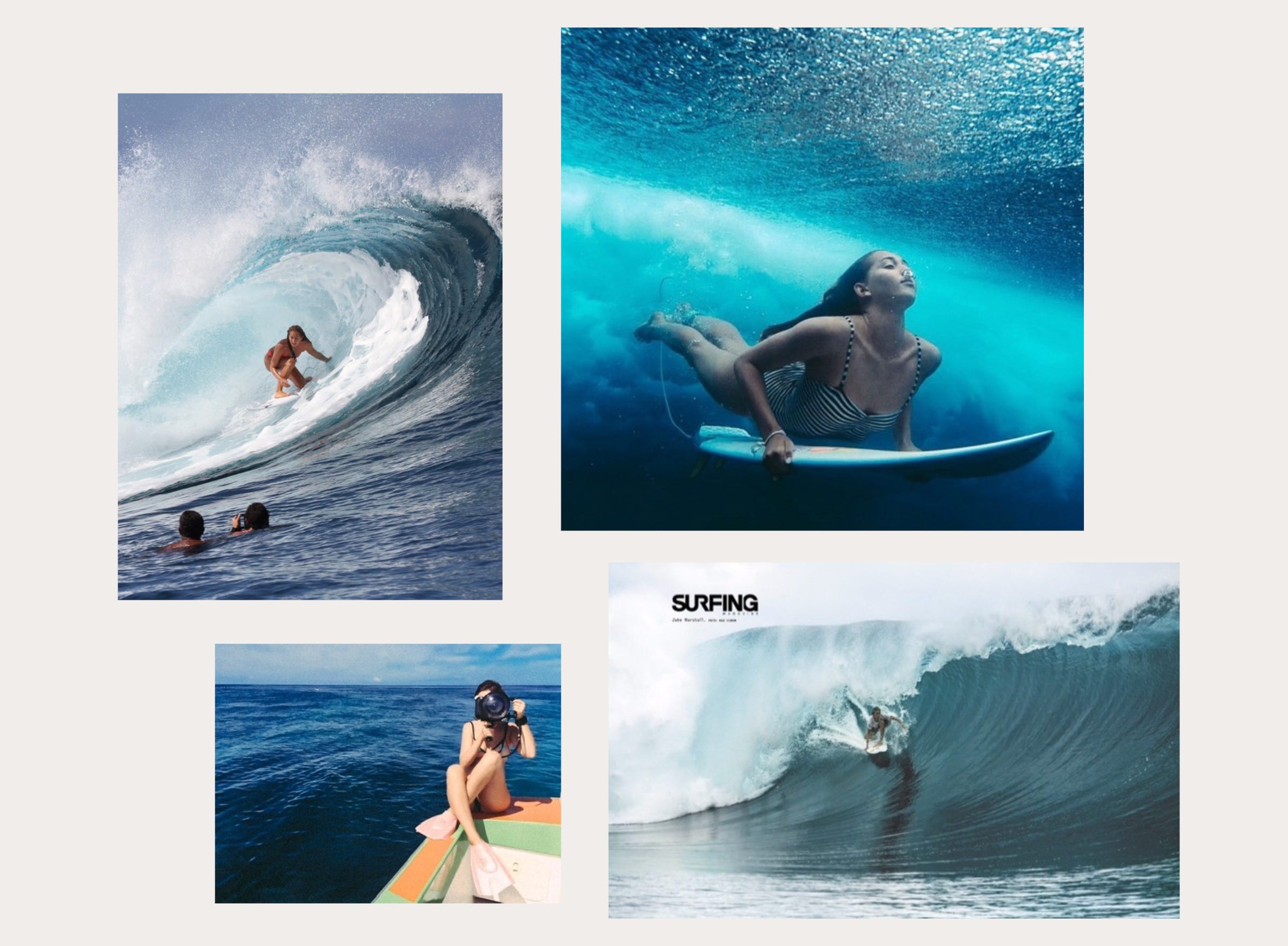

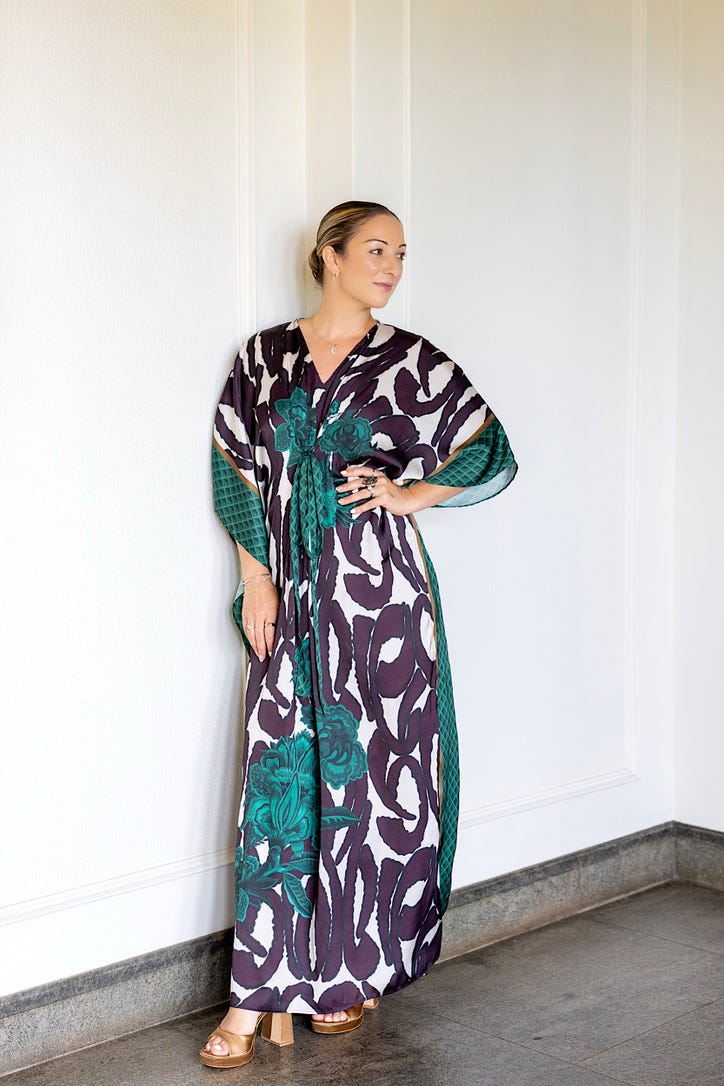
The last time I was in Maui, I was in the water photographing some of the best female surfers in the world, just around the bend at Honolua Bay from where I spoke last week. Coming back to stand on a stage at Engage, in such a different chapter of my life, it took me a minute to realize how full circle it actually was.
My session was called A Pulse on the Industry — on the two conversations and hot topics moving faster than any of us can keep up with: content creators and AI. I wanted to talk about both from a vantage point I don’t think many people share. I’m a photographer, and I’m also a licensed attorney (and primarily practice in the wedding industry), so I see the contracts behind these weddings from all types of perspectives, and then I watch what actually happens on the day. The gap between those two things is where almost every problem in this industry currently lives.
These are my notes from what I put out there — and, more interesting to me, what the room said back. Less a recap than some food for thought.
Content creators
I want to be careful here, because this gets flattened into a villain story and it isn’t one. And I want to preface that I do not have an overarching issue with content creators — I think there is a real value there. There’s a real lane, and the people who stay in it are wonderful at what they do. The problem is the lane is not truly defined as a standard by the industry, and even if that lane is apparent, the incentives for content creators majorly reward ignoring it.
Here’s what I mean. At a recent wedding (the kind of magazine wedding everyone dreams of) there were content creators shooting stills on professional cameras alongside a full photo and video team. When it ran, they rolled out their own carousel photo dumps captioned “as seen in” the magazine — except their images weren’t the ones that ran. Some even echoed the same selects I’d pull. There were collab posts circulating with the couple and other vendors, too. From a brand perspective it blurred whose work was actually whose, and it steamrolled the social rollout.
I’ll also admit we never actually said out loud what the lane is. To me, it’s light, in-the-moment phone content — capturing the day for social, not setting up beside the photo and video team with professional gear. But the lane keeps moving. Clients see content creators shooting on professional cameras, and some now even expect drones, because other content creators are flying them. That pulls even the creators who would happily stay in their lane right out of it. The expectation creeps up, and the definition erodes and blurs as quickly as this all is evolving.
Some food for thought. The legal piece first:
Your exclusivity clause binds whoever signed it (typically the couple) — not the content creator, who never signed anything with you. So the person technically in breach is the couple.
I’ll speak only for myself here: as both a photographer and an attorney, I’m not going to be the one to create friction with the couple or the planner in the middle of the wedding day. That’s a personal call, not a rule — there are plenty of well-respected photographers who would enforce it on the spot, and there’s nothing wrong with that; it’s a matter of style and personality. But it’s exactly why this is so much better when gotten ahead of, rather than handled in the moment.
Then there’s what it actually looks like on the day:
Six professional cameras at the family formals, and no one knows which lens to look at.
A content creator working the dance floor, right in everyone’s faces — too many bodies, which directly reflects back onto the photo team, or worse, planner.
A group of guests gets photographed by someone with a camera, and now nobody knows who actually has that image, or whether it will ever make the final gallery.
People only have so many photos in them to take: if someone’s been photographed already during cocktail hour by the content creator, they’re far less willing to give us the real frame we were hired to make.
Little by little, the day starts to feel like a production set instead of a wedding day.
And then there’s a quieter shift underneath all of it:
The hierarchy is moving. More and more, I’ve seen events where someone other than the lead photographer (often a content creator) is hired for the bridal shower, rehearsal dinner, or the welcome party. So by the wedding day, the couple, the family, and the friends have already built their rapport with that person and look to them for direction. So much of the experience we deliver runs on being the ones who hold those relationships and lead the day. When that shifts, the client experience shifts with it — usually without anyone deciding it should.
The behavior of steamrolling for social ROI makes sense when you follow the economy. “Our” industry typically runs on referrals; reputation books the next job. Most content creators run on the algorithm instead. You can’t appeal to an incentive someone isn’t part of — so “they’ll learn when it costs them” was never going to work. Which raises the real question: if a lane is defined by us as an industry, will content creators even care or mind it?
That last question is the whole thing — and it points to who can actually answer it:
The planner is the one person who sees every vendor and every contract before the day begins… which makes the planner, not the photographer, where the lane actually gets set. Who holds the wheel? And the constructive version of all of this isn’t about policing anyone. It’s getting ahead of it: naming the expectations early, writing them into the contracts and the vendor conversations, and talking about it openly as an industry instead of cleaning it up one wedding at a time. That’s what the room started doing — and it’s the whole reason I wanted to put this out there. (It’s also why I built a Vendor Code of Conduct for planners — one document to get every vendor on the same page before the day begins.)
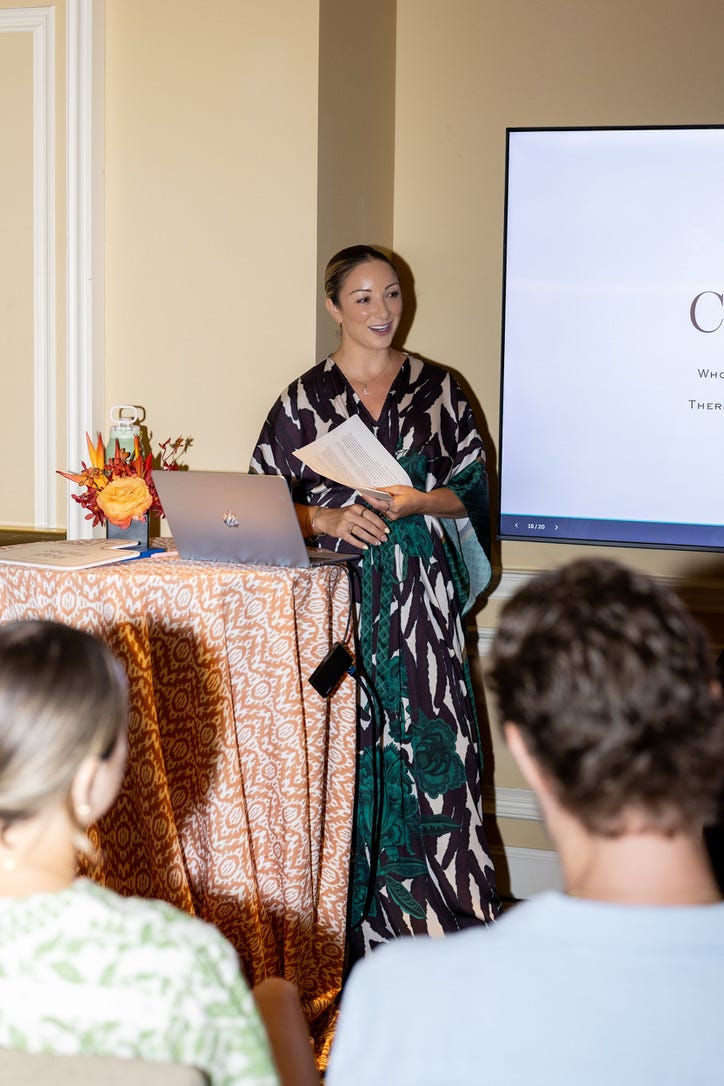
AI: how you use AI + how AI uses you
I’ll split the topics of AI into two parts: how you use AI in your work, and how AI uses your work.
On the first — you’re already using it. Sky replacements, generative fill, the mockups in your proposals, the research before a call. That’s not the scary part. The scary part is the gap between what you’re doing and what your clients believe you’re doing (or rather, what you are in fact disclosing).
Some food for thought:
You can’t promise a client “no AI.” It’s baked into your editing software, your gallery’s face recognition, your website’s SEO. Sign a blanket no-AI clause, or write that in an email, and you’re in breach the moment you open Lightroom or upload to your gallery system. In your contracts, you should be disclosing what you actually use, and scoping consent to what you control.
Disclosure runs both directions. The week of the talk, a parent panicked online that retouching meant her kids’ faces had been “fed to AI.” It wasn’t true — but if a client believes it, it’s yours to manage (and to deal with the PR crisis). Naming what you do, and contracting around it, defuses the fear before it starts.
Purely AI-generated work isn’t copyrightable — the Supreme Court left that standing in March. So a portfolio padded with AI images may not even be protectable, and showing AI work as your own is misrepresentation.
Be just as mindful of what you feed it, and what you publish from it. These image tools were trained on massive scrapes of the internet — billions of images, much of it copyrighted work no one licensed — which is why there are now dozens of active lawsuits over AI training, and why a generator can hand you something that's recognizably someone else's. The part that matters for us: when an AI output reproduces a real part of someone else's work and you publish it, you can be directly on the hook — and the platforms' terms generally cap their own exposure and leave that risk with you. A fast AI mockup or "inspiration" image can quietly become your own.
A portfolio is a promise: I can do this for you. Many of you in the industry probably know the situation I’m alluding to — the uproar not long ago over a photographer accused of building much of a portfolio on AI-generated and appropriated images. The industry exploded, and for good reason: when the work behind the promise turns out not to be real, it doesn’t just cost that one person. This kind of misuse of AI erodes the trust the entire industry runs on.
Now flip it the other way — protecting your own work from exactly that machine. Your images are your copyright and your portfolio, the very promise we just talked about, so don't let them quietly become someone's training data. You can put language in your client contracts that bars feeding your delivered work into AI tools or training sets without your written consent, and that reserves your rights as the author. You can't bind the AI platforms directly through a client contract, but you can bind your client, set the expectation clearly, and give yourself a remedy if it's crossed. It's the same move as disclosure, just pointed the other direction: decide where your work is allowed to go before someone else decides for you.
Here's what that looks like in practice. A videographer I know had a client ask for all the raw footage — not for the memories, but to run it through AI and spin up his own reels and short edits. It sounds harmless, but look at what it actually does: it hands your unfinished work to a machine to generate the very deliverables you'd normally be hired to make, with your name nowhere on the result (and you’re job is also being replaced). That's future work and creative control walking out the door at the same time. Decide in your contract what you hand over, and what can be done with it once you do — before the ask ever comes.
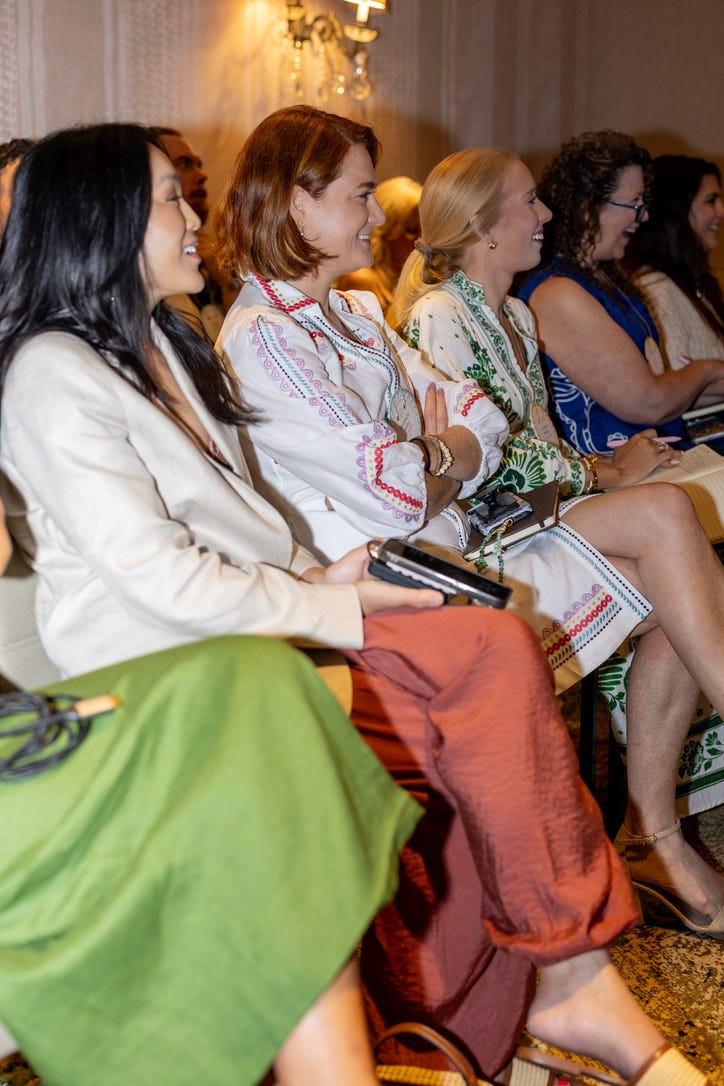
And then the room took over
Honestly? The best part was the last twenty minutes, when I stopped talking and let the room take it. It got real, fast — easily the most alive, popping conversation I’ve been part of on any of this, and it continued throughout the rest of the day.
A planner asked the honest question: exclusivity clauses are great, but on the day, who actually says you’re out of your lane? One experienced planner told the story of a photographer who said “I’ll walk — my contract says exclusivity,” and she respected it, backed him, and worked out the compromise herself. Another creative, eighteen years in, named the thing nobody likes to say out loud: photographers get told not to be the thorn, and enforcing your own contract can quietly cost you the next referral.
A few other threads that came up:
Every vendor has a content team now — not just the hired creators. Caterers, florists, bands, hair and makeup are all bringing someone with a camera, and nobody approved them. This impacts the experience and flow of the day. How do we get ahead of this? (Look to that nifty new Vendor Code of Conduct!)
So whose contract wins? Couples sign content rights into half a dozen vendor contracts, and everyone ends up technically in breach of somebody. They’re all valid — the real question is who chooses to enforce.
And the next version of all this: a content creator whose feed is full of luxury weddings she only stood next to, now pitching herself as a photographer. Not fabrication — just adjacency sold as authorship.
Every single thread came back to the same place. These conversations happen weeks before the wedding, or they happen awkwardly during it.
Getting ahead of it, together
If there's a word that ties all of this together, it's discernment — a word I always come back to, year after year. But discernment isn't a personality trait — it's a practice. What it actually looks like is work: defining the lanes out loud, writing them into our contracts and our vendor conversations, and talking about this openly — as an industry — instead of quietly absorbing it one wedding at a time.
The deeper question underneath all of it is whether our businesses are keeping pace with how fast this is moving. The tools and the trends evolve every season — are our processes, our contracts, the structure of how we actually run keeping up with them? Practically, that might mean revisiting your contract language and disclaimers, rethinking how you set expectations with clients and how you communicate with them (and other vendors), and not waiting until something goes sideways to do it.
And just as much, it looks like conversation. A photographer flagging something to the planner before the day instead of stewing about it after. A planner double-checking the vendor contracts and pulling everyone to the same table. One of the planners in the room said it in the kindest, clearest way I’ve heard: just come to me, tell me where something’s creating a challenge, and let me help fix it. That’s the whole spirit of this — inviting transparency, opening the dialogue early, and keeping it generous. It isn’t about freezing anyone out, content creators included. It’s about protecting the one thing we were all hired for: the client experience, at the very top.
None of us can stop the technology or the trends. But we can meet them out loud, and together, before they decide for us. That’s why I gave this talk and why I’m writing it down — the more of us who name what’s happening and compare notes, the less any one of us has to figure it out alone on a wedding day. So tell me what you’re seeing out there. That’s how the standard actually gets set.
P.S. — I promised the room two pieces of contract language from the talk: a content-creator notice for photographers and an AI disclosure clause. Both are free, and they're the kind of thing I'm always building over at The Artists' Lawyer — where the free resources live and where new templates (like that Vendor Code of Conduct) land first. Get on the email list here and I'll send the clauses the moment they're live, along with whatever comes next.